
Understand the unit
Share the property location, condition, photos if available, and target date. Identify the work and access requirements.
Apartment turnovers · South Sound
From a move-out clean to painting, repairs, and a cleanout, prepare your vacant unit with a scope built around the work it actually needs.
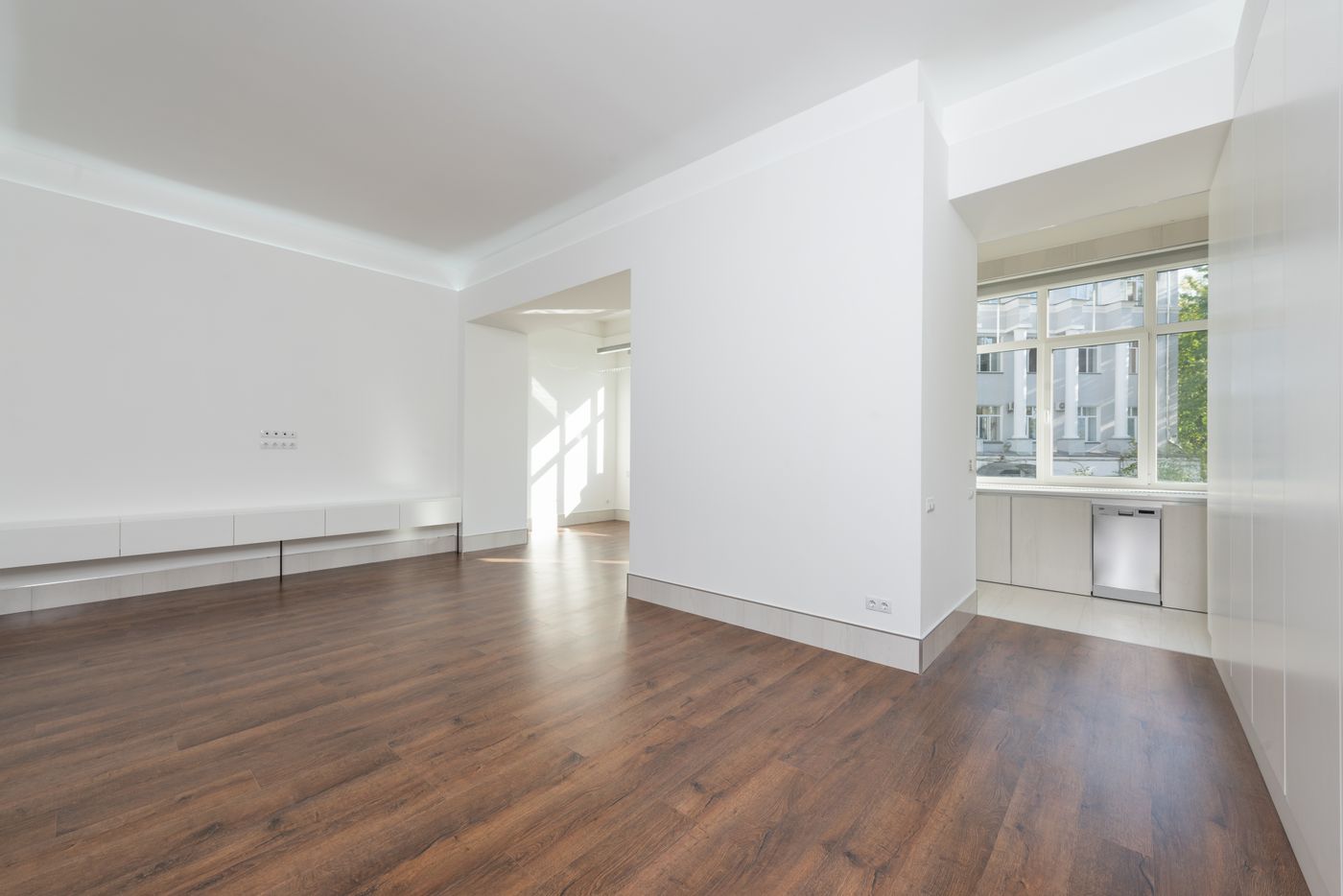
Illustrative stock photography
Start with the condition of the unit
Choose a starting point below. These are examples to help define your scope, with the final work and schedule agreed for your property.
Start with the areas needing attention, then agree on painting, touch-ups, repairs, and cleaning.
Pricing and timing depend on unit condition, size, access, materials, and the agreed work. Select only the services your property needs.
How the work moves forward
Putting the work in the right order helps avoid unnecessary repeat visits and cleaning around unfinished work.
Share the property location, condition, photos if available, and target date. Identify the work and access requirements.
Discuss the estimate, services, scheduling, and any separate vendor work before the assignment moves forward.
Coordinate the approved cleanout, repairs, and painting, with final cleaning after dust-producing work whenever practical.
Review the completed scope and communicate any remaining items to the property manager for final approval.
Understand what you are assigning
A make-ready describes the assignment as a whole. Each service still needs its own inclusions, exclusions, and standard for completion.
Describe the surfaces and appliances included rather than relying only on the phrase “deep clean.”
State whether the work is a touch-up, selected walls, a room repaint, or a full interior repaint.
Define the approved items, removal route, and destination before hauling begins.
Use a specific punch list so a general request to “make it ready” does not leave responsibilities unclear.
Service availability and the final assignment are confirmed during the estimate. For paint preparation information, see Sherwin-Williams’ property maintenance resources.
Build a more useful punch list
Use these prompts to describe the assignment. They help explain what needs attention without assuming that every task belongs in every turnover.
This is a scope-planning guide. Specialized work and any additional vendors should be identified and agreed separately.
Plan the assignment
A light refresh and a unit needing several stages of work are different assignments. Condition, access, material needs, and coordination with other vendors all affect timing and cost.
Tell us your target date early so the scope and scheduling can be discussed together.
Explore Vacancy Services ↗Budget for the actual assignment
A useful budget separates the physical work from the property’s wider turnover expenses. Compare estimates only after checking that they cover the same surfaces, quantities, materials, access conditions, and completion standard.
Itemize cleaning, preparation and painting, approved repairs, removal and disposal, materials, and separately assigned vendors. Ask whether tax and any additional charges are included. Identify allowances and exclusions before approval.
Track vacancy-related rent exposure, utilities, leasing expenses, and staff coordination separately. These are property planning costs and should not be confused with a contractor’s service price.
The following figures are examples reported in Dropcurb’s apartment make-ready guide, checked October 15, 2026. They are third-party planning references, not verified South Sound market averages or Vacancy Services prices.
| Example service | Reported range | Check before comparing |
|---|---|---|
| Deep cleaning | $150–$400 | The source describes a standard two-bedroom unit; condition and inclusions matter. |
| Painting | $200–$800 | The source groups touch-ups and repainting; a full repaint needs its own defined scope. |
| Carpet cleaning | $100–$300 | Confirm area, condition, access, and treatment; replacement is a separate assignment. |
Source: Dropcurb — Apartment Make Ready Checklist. These are selected examples, not a complete turnover budget. Do not add the ranges together and assume they describe your unit.
Plan around dependencies
The schedule is built from the work and the gaps between stages. A focused clean is a different assignment from a unit waiting for repairs, replacement materials, and several vendors.
Confirm a completion date after the condition and scope are reviewed. A general website timeline should not be treated as a booking commitment.
Confirm authorized access, utilities needed for the assignment, approved scope, available materials, and the person who can answer questions. Identify work that must be completed by another provider first.
Track which stage is complete, what can start next, and what is blocked. Sequence dust-producing repairs before final cleaning where practical. Allow time required by product instructions and the specific work.
Document the condition, proposed additional work, price and scheduling effect. Obtain approval through the agreed process before treating it as part of the original assignment.
Allow a final review and time to address remaining items. Keep “vendor work complete,” “manager approved,” and “move-in scheduled” as separate milestones.
A repeatable system
Use these fields as a starting point for your own work order or turn board. Assign every item to a person and update the status as the work progresses.
Separate confirmed dates from requested dates. Record what needs a decision instead of marking the entire unit “in progress.”
A shared vocabulary
Before you get started
It is the work needed to prepare a rental unit for the next resident. The physical make-ready may combine cleaning, painting, repairs, and removal of authorized unwanted items.
Cleaning is one part of the work. A make-ready can also include preparation, painting, and repairs based on the condition of the unit.
Yes. Tell us which parts your team is handling and where you need support so we can discuss a suitable scope.
The scope, unit condition, access, materials, and vendor availability determine the schedule. We discuss your desired completion date when reviewing the assignment.
The estimate is based on the work your property needs. We review the assignment and agree on the scope rather than assuming every unit requires the same package.
Your next turnover
Share the location, services, and target date. We’ll follow up to discuss the scope and next steps.